“Chemical changes” search results (700)

The taste of roasted coffee beans.
Coffee's color, aroma, and taste are the result of complex chemical changes that occur through the roasting process. Therefore, raw beans must undergo appropriate chemical procedures to achieve the most balanced state of its essential ingredients in order to be considered the best baked beans. Coffee aroma changes with heat, so roast time should be as short as possible, and heat control can make coffee beans
2015-03-05 coffee beans roast after taste coffee color aroma penetration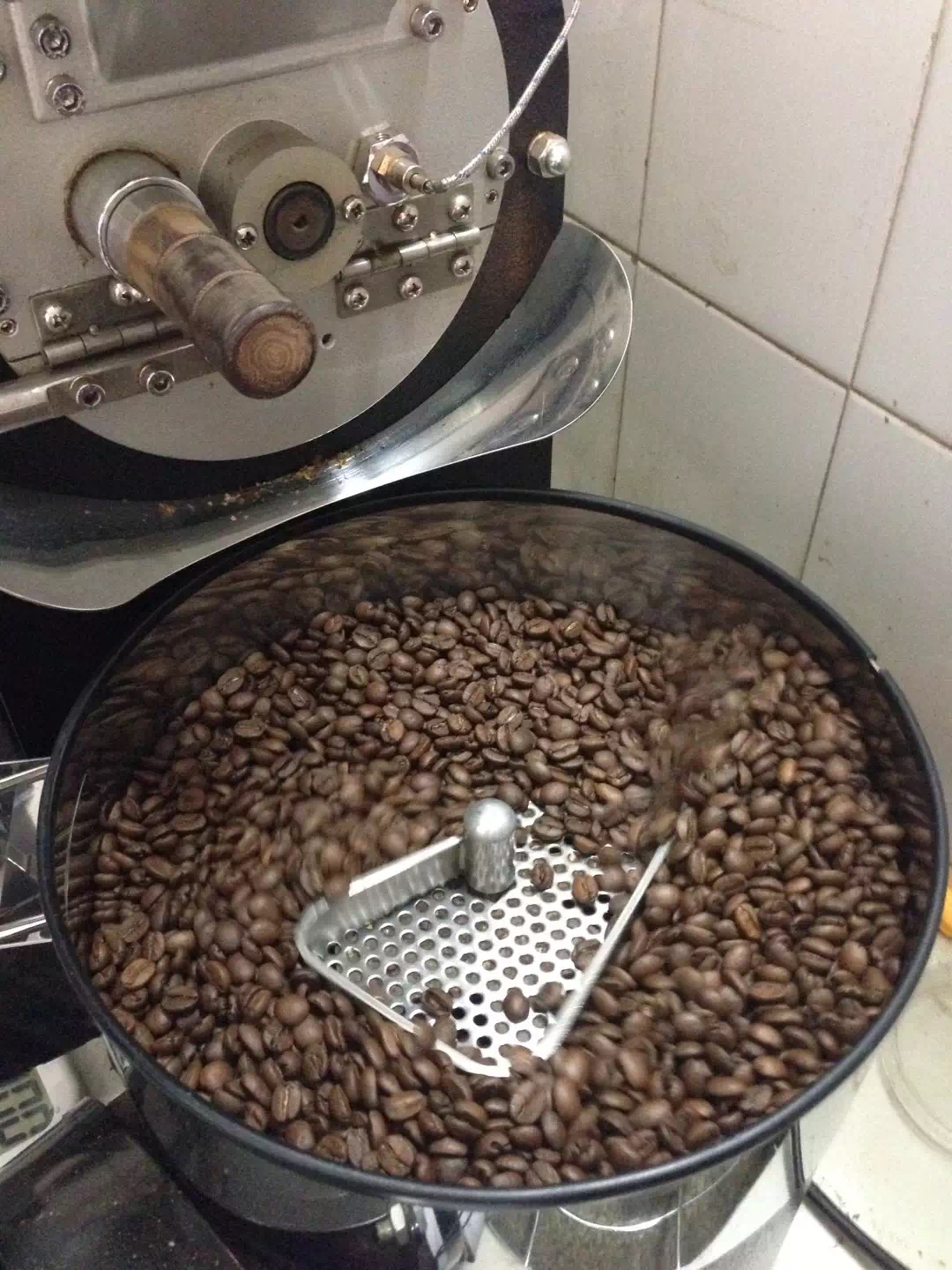
The small details that should be paid attention to in roasting coffee beans determine the success or failure of the roasting effect.
Baking this heat treatment causes significant chemical and physical changes in the structure and composition of raw coffee, causing the beans to darken and emit the unique aroma of roasted coffee. 1. The purpose of coffee roasting the main purposes of coffee roasting are: 1, aroma; 2, increase the complexity of coffee; 3, to obtain color; 4, to form the unique flavor of coffee. 2. Coffee is roasted according to the way it is roasted.
2015-11-23 Coffee beans roasting attention details decision effect success or failure this hot spot
Coffee affects DNA in muscle, study suggests
You might think that whatever you do, your genetic DNA will not be affected, but in a sense that's wrong. In the March issue of Cell Metabolism, researchers report that when the body is healthy, men and women who do not exercise much get their DNA released after a few minutes of exercise.
2014-12-01 research shows coffee can affect muscle DNA probably think
The basic Chemical reaction of Coffee Baking process
Original: Basic Chemical Reactions Occurring in the Roasting Process by Carl Staub sourced from the SCAA Roast Color Classification System developed by Agtron-SCAA in 1995 Many thermal and chemical reactions occur during the roasting proces
2015-01-27 Coffee roasting process basic Chemical reaction Chinese-English Bilingual Translation original B
Will coffee beans wither when stored for a long time? How to preserve coffee beans correctly
Deterioration refers to the change in which the properties of polymers are reduced and cannot be recovered. Due to the action of heat, light, ultraviolet light, oxygen, ozone and various chemicals, polymer materials will change their physical or chemical properties, such as discoloration, cracking, intensity reduction and so on. These external conditions can cause the breakage or cross-linking of the polymer main chain, resulting in structural changes and reduced properties. Roasted coffee
2015-09-10 Coffee beans for a long time stored withered how correct preserved deteriorated dete
Coffee with sugar is not coffee?
Even if black coffee is romantic, not everyone can stand the taste. It still needs sugar. Why is it that sweetened coffee is not so difficult to taste? Scientists have found that the chemical structure of coffee has changed after adding sugar. Many people must be dismissive of this problem: of course, it is the sweetness of sugar that suppresses the bitterness, which needs to be studied. However, York, England
2015-08-25 Added coffee no even coffee romance taste but not all people
The basis of coffee: coffee roasting
Roasting: this heat treatment causes significant chemical and physical changes in the structure and composition of raw coffee, causing the beans to darken and emit the characteristic aroma of roasted coffee.
2014-06-06 Coffee knowledge coffee roasting introduction to coffee coffee encyclopedia
Five flavors of Fine Coffee
The color, aroma and taste of sweet coffee are caused by some complex chemical changes that take place during the roasting process. Therefore, raw beans must go through appropriate chemical procedures to achieve the most balanced state of its essential ingredients in order to be regarded as the best baked beans. The aroma of coffee will change with the heat, so the baking time should be shortened as much as possible, and the coffee is hot.
2015-01-17 Boutique coffee common sense five kinds taste bitter sour color aroma
Basic knowledge of coffee what is the taste of coffee
The color, aroma and taste of coffee are caused by some complex chemical changes that take place during the baking process. Therefore, raw beans must go through appropriate chemical procedures to achieve the most balanced state of its essential ingredients in order to be regarded as the best baked beans. The aroma of coffee varies with the heat, so the baking time should be shortened as much as possible, and the heat can be controlled at the level of coffee beans.
2014-11-26 Coffee knowledge basic coffee knowledge coffee taste
Healthy drinking coffee can affect DNA in muscle.
You might think that no matter what you do, your genetic DNA will not be affected, but in a sense, this idea is wrong. In March, in the journal Cell Metabolism, published by Cell Press, researchers reported that when men and women who did not exercise for a few minutes when they were in good health, their DNA levels increased.
2015-03-06 Health coffee can influence muscle medium DNA may think regardless of
The five flavors of coffee the bitterness and sweetness of coffee
The color, aroma and taste of coffee are caused by some complex chemical changes that take place during the baking process. Therefore, raw beans must go through appropriate chemical procedures to achieve the most balanced state of its essential ingredients in order to be regarded as the best baked beans. The aroma of coffee varies with the heat, so the baking time should be shortened as much as possible, and the heat can be controlled at the level of coffee beans.
2015-07-29 Coffee five kinds taste bitter sour coffee color aroma through
Basic chemical reactions in the roasting process of coffee in both Chinese and English
Original: Basic Chemical Reactions Occurring in the Roasting Process by Carl Staub sourced from the SCAA Roast Color Classification System developed by Agtron-SCAA in 1995 Many thermal and chemical reactions occur during the roasting proces
2015-04-14 Coffee roasting process basic chemical reaction Chinese-English bilingual
Explanation of the basic chemical reaction of coffee roasting in both Chinese and English
Original: Basic Chemical Reactions Occurring in the Roasting Process by Carl Staub sourced from the SCAA Roast Color Classification System developed by Agtron-SCAA in 1995 Many thermal and chemical reactions occur during the roasting proces
2015-10-26 Coffee roasting process basic chemical reaction Chinese-English bilingual explanation
The basic chemical reaction of coffee roasting process
Many thermal and chemical reactions take place during baking: decarbonation, dehydration of quinic acid, subdivision, isomerization, polymerization, and complex sugar reactions (caramelization). The main components of the thermal reaction are monosaccharides and sucrose, chlorogenic acid, free amino acids, and fenugreek amide. Both aravinose and calactose in the polysaccharides are transferred, and the basic vulcanization contains hydroxylated amino acid.
2014-08-15 Coffee knowledge coffee roasting process baking chemical reaction
The basic chemical reaction that takes place during coffee roasting.
Many thermal and chemical reactions take place during baking: decarbonation, dehydration of quinic acid, subdivision, isomerization, polymerization, and complex sugar reactions (caramelization). The main components of the thermal reaction are monosaccharides and sucrose, chlorogenic acid, free amino acids, and fenugreek amide. Both aravinose and calactose in the polysaccharides are transferred, and the basic vulcanization process includes hydroxylamine.
2014-11-22 Coffee knowledge coffee common sense coffee roasting chemical reaction
The basic chemical reactions that take place during coffee roasting
Many thermal and chemical reactions take place during baking: decarbonation, dehydration of quinic acid, subdivision, isomerization, polymerization, and complex sugar reactions (caramelization). The main components of the thermal reaction are monosaccharides and sucrose, chlorogenic acid, free amino acids, and fenugreek amide. Both aravinose and calactose in the polysaccharides are transferred, and the basic vulcanization process includes hydroxylamine.
2015-10-15 Coffee roasting process medium hair raw basic chemical reaction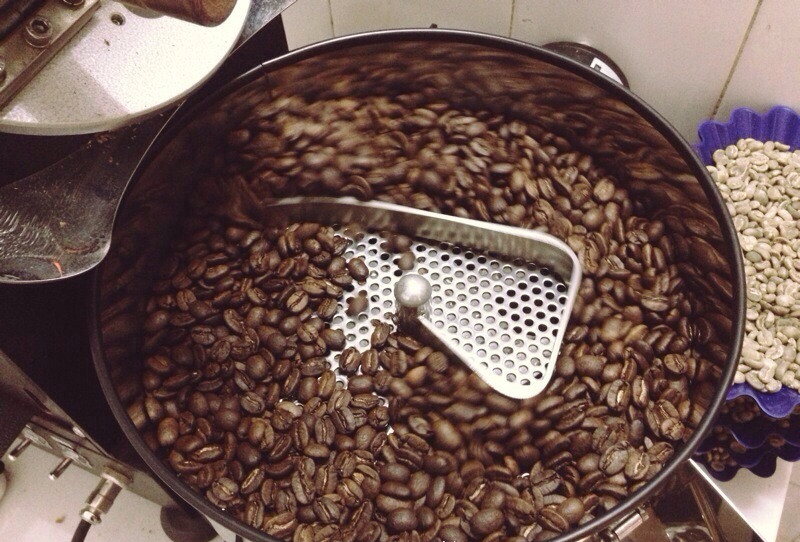
Basic chemical reactions of coffee beans during coffee roasting
Many thermal and chemical reactions take place during baking: decarbonation, dehydration of quinic acid, subdivision, isomerization, polymerization, and complex sugar reactions (caramelization). The main components of the thermal reaction are monosaccharides and sucrose, chlorogenic acid, free amino acids, and fenugreek amide. Both aravinose and calactose in the polysaccharides are transferred, and the basic vulcanization process includes hydroxylamine.
2015-03-16 Coffee roasting process coffee beans raw basic chemical reaction
Drugs containing caffeine can substitute for exercise and produce similar effects
You might think that whatever you do, your inherited DNA will not be affected, but in a sense that's wrong. In the March issue of Cell Metabolism, researchers report that when the body is healthy, men and women who do not exercise much get their DNA released after a few minutes of exercise.
2015-05-08 Caffeine Drugs Substitute Exercise Produce Similar Efficacy Possible Think Regardless
The basic chemical reactions that take place during coffee roasting
Many thermal and chemical reactions take place during baking: decarbonation, dehydration of quinic acid, subdivision, isomerization, polymerization, and complex sugar reactions (caramelization). The main components of the thermal reaction are monosaccharides and sucrose, chlorogenic acid, free amino acids, and fenugreek amide. Both aravinose and calactose in the polysaccharides are transferred, and the basic vulcanization process includes hydroxylamine.
2014-08-21 Coffee roasting process medium hair raw basic chemical reaction
Studies have shown that coffee can affect DNA in muscles
You might think that no matter what you do, your genetic DNA will not be affected, but in a sense, this idea is wrong. In March, in the journal Cell Metabolism, published by Cell Press, researchers reported that when men and women who did not exercise for a few minutes when they were in good health, their DNA levels increased.
2015-04-27 Studies have shown that coffee can affect muscle DNA may think